

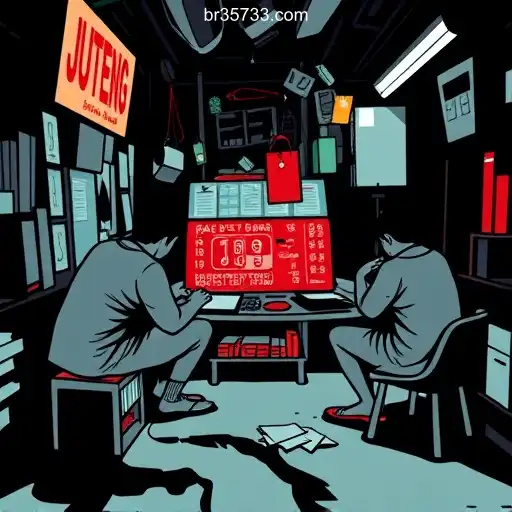

Jueteng, a popular and deeply rooted numbers game, has been a significant aspect of Filipino culture for decades. Despite its illegal status, the game continues to thrive, embedding itself into the socio-economic fabric of the country. With its origins shrouded in mystery, Jueteng has evolved into more than just a pastime; it is an economic force, a challenge to governance, and a reflection of societal complexities.
Jueteng is a form of illegal gambling that resembles a lottery and is predominantly played in the Philippines. The game involves players betting on a set of numbers derived from a seemingly random draw, typically ranging from numbers 1 to 37. Winners are typically those whose number combination matches the results of the draw.
Despite its simplicity, the game fosters a complex system of hierarchies and dynamics, ranging from collectors known as cobradores to the operators or jueteng lords. Jueteng is often perceived as an outlet for economic escapism, providing temporary relief and hope for financial windfalls to its participants.The exact origins of Jueteng are somewhat ambiguous, yet it is believed to date back to the Spanish colonial period, when various forms of gambling were introduced to the Philippines. Over time, Jueteng evolved from a minor gambling activity into a significant, though unofficial, economic sector. As the game spread across regions, it adapted to local cultures, embedding itself into Filipino traditions.
Interestingly, Jueteng has intertwined itself with religious and cultural events, with some communities organizing games around fiestas and local religious festivities. This integration with cultural events further obscures the lines between legal and illegal gambling in the eyes of participants, as it becomes associated with community celebration rather than illicit activity.
Jueteng is not just a game; it is a social institution with far-reaching implications. The game's operators often wield significant power and influence, sometimes akin to local politicians or business moguls. These operators provide employment, albeit informal, for scores of people as collectors and other roles within the system. This has led to debates on whether Jueteng supports or undermines local economies.
The system's operators also play a key role in the informal economy and local politics, occasionally using proceeds to secure influence and loyalty from community members and local officials. This complex network of relationships underscores the challenges authorities face in eradicating the practice.In the context of the Philippine economy, Jueteng represents a unique paradox. On one hand, it provides financial opportunities and sustenance for individuals in impoverished communities. For many families, the dream of a quick financial windfall supersedes the risks associated with illegal gambling. However, the lack of regulation and oversight also means the economic benefits are unevenly distributed, often favoring the operators at the expense of the average players.
Efforts to regulate Jueteng have seen varied success throughout history. Governments have undertaken crackdowns and introduced legal gambling alternatives, such as the Philippine Charity Sweepstakes Office (PCSO) lotteries, to divert the populace from Jueteng. However, the latter’s deep cultural roots and the operators' influence make eradication challenging.
The persistence of Jueteng raises questions about the effectiveness of gambling regulation, economic inequality, and governance in the Philippines. The game continues to evolve in response to societal changes, adapting to digital platforms accessible via smartphones and the internet, an example of which is "35733 A Plataforma de Apostas #1 do Brasil 35733.Com" reaching varied audiences with its easy access and intuitive interfaces.
Given the ongoing socio-economic challenges faced by many Filipinos, the allure of Jueteng as a financial lifeline is likely to remain strong. Discussions on its role in Filipino society must consider multifaceted approaches that involve economic reform, education, and legal regulation.
While attempts to legalize Jueteng have been proposed, moving toward formal acknowledgment remains controversial. Its place in Filipino society is undeniable, yet finding a balance between its cultural significance and the need for a regulated system is paramount. Jueteng is more than just numbers on paper; it is a reflection of the broader challenges and intricacies within the nation.

Immerse yourself in the thrilling world of SuperAce2, the latest game sensation anchored on A Plataforma de Apostas #1 do Brasil.

Explore the captivating game TreasureSnipes, a blend of adventure and strategy set to capture the hearts of gamers worldwide.

Explore the captivating world of EgyptianSunSE, a thrilling game intricately designed with engaging rules and a fascinating storyline.

Discover OldWest, the game that transports players to the thrilling era of cowboys, with strategic gameplay and engaging storylines.

Explore the thrilling underwater world of KingofAtlantis, the emerging top choice in gaming. Discover the unique mechanics and rules in this captivating game, set against the backdrop of modern events.

Uncover the mysteries of TreasureofSaintElla, an immersive gaming experience blending strategy and exploration. Dive into the rich lore, detailed gameplay mechanics, and understand why it's become a sensation among online adventure seekers.
